Where Every Child is a Star: Join Lana’s Gymnastics Club in Queens Today!
State-of-the-Art Gym – Spots Filling Fast
Expert Coaching. Safe Fun. Enroll Today
30+ Years of Excellence – Join Now
Gymnastics Vs. Dance For Kids: Choosing The Best Path To Growth
The conversation around gymnastics vs. dance often begins when parents notice how naturally their child moves, climbs, jumps, or responds to music. These early behaviors hint at how children connect with motion, structure, and creativity.
Gymnastics and dance both channel physical expression, yet they guide development in distinct ways. Understanding how each discipline trains the body and mind helps families choose a path that aligns with their child’s temperament, energy, and long-term interests.
Families often explore these differences while learning about age-appropriate pathways within Lana’s gymnastics programs.
How Gymnastics Shapes Physical Awareness
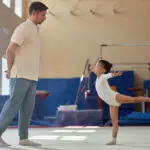
Gymnastics introduces children to controlled movement through structured skills that build body awareness from the ground up. Classes take place on padded and spring-based surfaces that encourage safe exploration of balance, strength, and spatial control.
Children learn how their bodies respond during jumps, rolls, hand placements, and inverted positions. This awareness develops early discipline in posture, alignment, and precision.
Unlike free-form movement, gymnastics focuses on repeatable skill patterns. Each drill connects muscle memory with focus and timing. Arms and core muscles work alongside legs, creating balanced strength throughout the body.
Over time, children gain confidence in navigating height, momentum, and rotation. This physical literacy often carries into other sports and activities, helping children move with intention and control rather than hesitation.
How Dance Develops Expression and Rhythm
Dance approaches movement through musical interpretation and storytelling. Classes emphasize rhythm, timing, and fluid transitions that connect steps into sequences. Instead of equipment-based skills, dancers rely on footwork, posture, and coordinated arm movement to create visual expression. Music guides pace and emotion, which helps many children connect movement with feeling.
Leg strength and balance develop through repeated patterns and directional changes. Arms and upper body enhance expression rather than drive power. Dance environments encourage awareness of space and group synchronization, teaching children how to move in harmony with others. For children drawn to music and creative interpretation, dance offers an outlet that blends physical effort with artistic exploration.
Training Structure and Learning Style Differences
One of the clearest distinctions in gymnastics vs. dance lies in how children learn. Gymnastics follows a progression-based structure where skills build upon one another. Mastery of foundational movements leads to more advanced techniques. This method suits children who enjoy clear goals and measurable improvement.
Dance instruction often revolves around choreography and routine development. Skills still progress, yet creativity and musical response shape the learning experience. Children memorize sequences and refine expressions over time. This appeals to learners who thrive in expressive environments and enjoy performing as part of a group narrative.
Families exploring early structured movement often begin with preschool gymnastics, where foundational coordination and listening skills form the base for future athletic development.
Strength, Balance, and Coordination Outcomes
Gymnastics places equal demand on upper and lower body strength. Children learn to carry weight through their arms, stabilize through their core, and land with control. Balance develops on narrow surfaces and during dynamic motion. These demands shape overall athletic capability.
Dance focuses heavily on lower body strength, flexibility, and alignment. Balance comes from controlled foot placement and posture rather than apparatus work. Coordination grows through timing and pattern repetition. Both disciplines sharpen motor skills, yet the muscle emphasis differs, which influences how children move in daily life.
Age Readiness and Early Foundations
Children typically enter both gymnastics and dance during early childhood. At young ages, instruction centers on listening skills, safe movement habits, and confidence within a class setting. Gymnastics introduces concepts such as rolling, jumping, and controlled landings. Dance introduces rhythm, directional awareness, and group movement.
Early exposure helps children adapt to structured activity while maintaining enjoyment. As children grow, their preferences become clearer. Some gravitate toward technical challenges and physical benchmarks, while others connect more deeply with musical flow and performance.
Competitive Pathways and Long-Term Growth
Gymnastics offers defined competitive tracks that reward precision, consistency, and technical excellence. As skills advance, children learn discipline, focus, and resilience through structured training cycles. These pathways appeal to families seeking long-term athletic development within a dedicated sport environment.
Dance also offers competitive opportunities, often centered around choreography and performance quality. Dancers refine artistry, presence, and adaptability across styles. Competition experiences differ, yet both disciplines teach commitment and goal-oriented growth.
Why Many Families Choose a Gymnastics Foundation
A gymnastics foundation builds versatile movement skills that translate across activities. Strength, coordination, balance, and spatial awareness developed in early gymnastics often support later participation in dance, sports, or fitness pursuits. This versatility attracts families seeking a strong physical base during childhood.
At Lana’s Gymnastics Club, decades of structured curriculum guide children through progressive skill development within a focused gymnastics environment. Families who wish to explore enrollment or discuss class placement can contact us for personalized guidance.