Where Every Child is a Star: Join Lana’s Gymnastics Club in Queens Today!
State-of-the-Art Gym – Spots Filling Fast
Expert Coaching. Safe Fun. Enroll Today
30+ Years of Excellence – Join Now
What Gymnastics Classes Look Like For Different Age Groups
Walking into a gymnastics gym for the first time often raises questions about structure, expectations, and progression. Parents frequently ask what gymnastics classes look like for different age groups and how training evolves as children grow. Gymnastics follows a deliberate path that matches physical development, attention span, and confidence.
Each stage builds skills through age-appropriate challenges, clear routines, and consistent coaching. Understanding this progression helps families choose the right starting point while setting realistic expectations for growth, focus, and enjoyment inside the gym.
Families exploring options often begin by reviewing Lana’s gymnastics programs to see how age and readiness shape class structure from the very first lesson.
Early Childhood Classes Build Movement Awareness
For young children, gymnastics introduces movement through structured play rather than formal drills. Classes emphasize crawling, rolling, gentle jumps, and basic balance activities. These sessions help children recognize how their bodies move through space while following simple instructions from coaches.
At this stage, classes remain short and active, with frequent transitions to maintain attention. Coaches use obstacle paths, soft equipment, and guided activities to help children gain comfort on mats and low apparatus.
Social interaction also takes shape as children learn to wait their turn, move as a group, and respond to verbal cues. These early experiences shape confidence inside a gym setting and establish familiarity with routines that appear later in training.
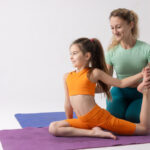
Preschool-aged children enter a more structured environment where classes follow a predictable flow. Warm-ups include stretching, marching, and simple strength movements that prepare the body for skill work. Children begin learning forward rolls, basic cartwheels, supported handstands, and controlled jumps.
In preschool gymnastics, coaches focus on body alignment, balance, and coordination while keeping lessons engaging. Children rotate through stations that include beams, bars set close to the ground, and padded vault surfaces. Instruction remains clear and concise, helping students stay focused while developing discipline.
School-Age Classes Emphasize Skill Development and Structure
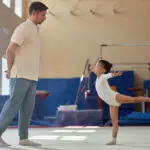
As children enter elementary school years, gymnastics classes become more skill-focused. Students practice longer sequences, repeat drills, and begin connecting movements with greater precision. Classes typically include floor routines, bar progressions, beam work, and vault preparation.
At this stage, children start recognizing personal strengths while working through challenges. Coaches emphasize correct form, controlled landings, and consistency across repetitions. Students also learn gym etiquette, such as equipment safety rules and respectful interaction with peers.
Pre-Teen Gymnastics Refines Technique and Confidence
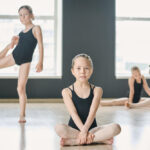
Pre-teen gymnasts experience a noticeable shift toward refinement. Classes place greater emphasis on strength, flexibility, and skill combinations. Students begin linking movements into routines that require timing, balance, and awareness.
Training sessions grow longer, allowing time for conditioning and focused repetition. Coaches give detailed feedback that helps athletes understand body mechanics and execution. This stage often shapes long-term commitment, as gymnasts see progress through mastery rather than speed.
Teen Programs Focus on Advanced Skills and Commitment
Teen gymnasts train with purpose and structure. Classes emphasize advanced tumbling, bar transitions, beam series, and vault technique. Athletes work toward clean execution and mental focus while managing school schedules and training demands.
These programs value discipline, resilience, and self-awareness. Gymnasts learn how preparation impacts performance and how steady practice leads to progress. For some athletes, this stage opens the door to competitive pathways, while others continue for fitness, skill mastery, and personal achievement.
How Lana’s Gymnastics Club Helps Shape This Journey
At Lana’s Gymnastics Club, we guide children through each stage with structured classes, experienced coaches, and a clear developmental path. Our programs reflect decades of teaching children how to move with confidence and purpose.
If you are ready to explore the right class for your child, contact us and take the next step with a team that understands growth inside and beyond the gym.