Quick Summary
Gymnastics offers broader physical development earlier in childhood than soccer, building balance, bilateral coordination, core strength, and proprioception from age 2.5 onward. Children with a gymnastics background consistently arrive at soccer training with measurable physical advantages over peers who specialized early. Soccer excels at building cardiovascular endurance and team intelligence, particularly from age 6 onward. For Queens families, doing both activities is a practical option, and starting with gymnastics before adding soccer is a well-supported developmental path.Gymnastics vs Soccer Kids: What Each Activity Actually Builds
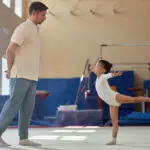
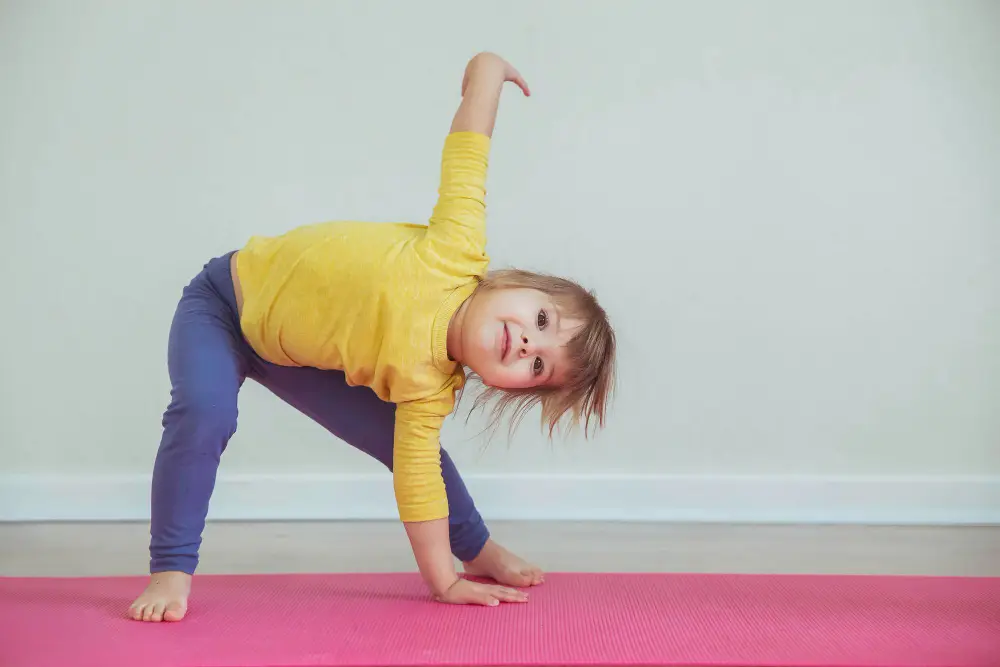
Before making a decision, it helps to know what each activity develops in a child’s body and mind. For reference, our Lana’s gymnastics programs are designed to build physical literacy across a wide range of attributes simultaneously. A single gymnastics session develops balance, bilateral coordination, core strength, flexibility, spatial awareness, and full-body control across varied movement planes. Children learn to roll, hang, jump, land, and balance in ways that create a physical foundation transferable to any sport they pursue later. The physical development is intentional, progressive, and broad. Soccer develops a different set of attributes. Cardiovascular endurance is its greatest gift. Running across a field for extended periods, maintaining decision-making and team coordination, and reacting quickly in a fast-moving environment are all genuine outcomes of consistent soccer training. Soccer also builds lower-body coordination and, from around age 6 or 7, begins developing real team communication and spatial thinking within a group. Both activities are legitimate. The key question is which one serves your child better at their current age and developmental stage, and what each builds for their athletic future.Starting Age: Why Gymnastics Has a Head Start
One of the clearest differences between gymnastics and soccer is when meaningful, structured activity begins for each sport. Soccer programs in Queens accept children as young as 3 or 4, but at that age, what they do is largely informal ball play. Genuine soccer training, where team concepts, passing mechanics, and positional awareness are introduced, typically begins around ages 6 to 8. A 4-year-old in a soccer session is mostly running around having fun, which has value, but is not structured athletic development. Gymnastics offers structured, coached development from age 2.5. Our Preschool Gymnastics program for ages 3.5 to 5 is built around the developmental realities of young children. Coaches guide children through progressive skill sequences using purpose-built apparatus. Children learn to follow coached movement instructions, develop body awareness, and build physical skills in a deliberate, age-appropriate sequence. A 4-year-old in a gymnastics class is receiving real developmental coaching, not just supervised play. This head start matters because the physical foundation built in early gymnastics does not stay in the gym. It transfers directly onto the soccer field, onto the basketball court, and into any other sport a child eventually chooses.What Gymnastics Does for Future Soccer Players
This is where the comparison becomes particularly interesting for Queens parents who love soccer and are weighing whether to start their child there first. Children with a gymnastics background arrive at soccer training with measurable physical advantages over peers who went straight into the sport. Here is what gymnastics specifically develops that makes a child a better soccer player:- Balance during rapid changes of direction, a fundamental soccer skill requiring postural stability:
- Bilateral coordination, the ability to use both sides of the body together fluidly and efficiently:
- Core strength, which underpins running mechanics, kicking power, and injury resilience:
- Flexibility and range of motion, reducing muscle strain risk during sprinting and sharp turns:
- Proprioception, the body’s internal awareness of its position in space, which improves footwork and ball control:
- Landing mechanics, which translate directly to safer, more controlled movement on the field:
The Early Specialization Question
Youth sports development research consistently points in one direction: children who diversify their physical activities during early childhood tend to become better athletes with fewer injuries and lower rates of burnout than those who specialize early in a single sport. A child who plays only soccer from age 4 develops certain physical attributes well, and others barely at all. A child who trains in gymnastics and then adds soccer develops a broader physical foundation before specialization begins. The coordination, balance, and body awareness developed in gymnastics transfer universally and tend to make soccer-specific learning come faster and stick longer. Families in Queens who do both gymnastics and soccer, particularly when children reach ages 6 to 8, often report that their children’s soccer performance improves noticeably after sustained gymnastics training. The physical qualities are not separate; they compound.Social and Cognitive Development: Two Different Models
Gymnastics and soccer develop social and cognitive skills through very different structures, and both approaches have genuine merit. Soccer builds collective intelligence. Children learn to read teammates, communicate under pressure, and make rapid decisions within a group context. The shared goal of a team creates social bonds and teaches children how to subordinate individual preferences to collective outcomes. These are valuable life skills. Gymnastics builds individual focus within a community context. Children work toward personal skill milestones with direct coaching attention, within a class of peers who share the same experience. Our competitive team program at Lana’s Gymnastics Club takes this further, where individual excellence and team identity coexist at a high level. Across all our programs, children learn to concentrate, persist, and manage frustration in a coached, structured setting that rewards effort and incremental progress. A child who wants the energy of a large outdoor team will lean toward soccer. A child who thrives in a coached, structured environment with apparatus-based physical challenge may find gymnastics more naturally engaging. These are temperament questions, and knowing your child’s personality matters more than knowing which activity is theoretically better.The Queens Logistics Reality
One practical consideration Queens parents sometimes overlook is seasonality. Youth soccer in Queens is largely an outdoor, seasonal activity. Programming stops or significantly reduces over winter, and weather disrupts schedules in spring and autumn. A child on a seasonal soccer schedule may go weeks without structured physical activity during off-periods. Gymnastics at Lana’s Gymnastics Club runs year-round at our Flushing facility. Consistent weekly attendance produces consistent developmental progress. A child who trains in gymnastics year-round, regardless of weather or season, builds a physical foundation that a seasonal sport alone cannot match in terms of pace or reliability.Making the Call That Fits Your Child
Gymnastics and soccer are both excellent activity choices. The comparison between them is closer in some areas than parents expect. Soccer is a great sport that builds endurance, teamwork, and competitive spirit. Gymnastics builds a broader physical foundation earlier in life and transfers its benefits into soccer and virtually every other athletic pursuit. For younger children under 6, gymnastics offers more developmentally appropriate structured programming than soccer at the same age. For families with children 6 and older, doing both is a practical and well-supported option. And for any Queens parent whose child is drawn to the discipline and physical challenge of gymnastics, the sport offers a pathway that runs from toddler classes all the way through competitive athletics without ever needing to switch programs. Get in touch with us today to find out which of our programs is the best fit for your child’s age, stage, and goals.FAQs
Can my child do gymnastics and soccer at the same time?
Yes, and the two activities complement each other well. Gymnastics builds the coordination, balance, and core strength that directly improve soccer performance. Families who manage both activities often find that gymnastics training accelerates their child’s physical development on the soccer field.
Is soccer appropriate for children under age 5?
Soccer programs exist from age 3, but structured skill development with real team concepts typically begins around age 6 to 8. Programs for younger children focus on ball familiarity and basic movement rather than organized sport. Gymnastics offers more developmentally structured coaching at this younger age range.
Does gymnastics training help prevent sports injuries in soccer?
A gymnastics background develops landing mechanics, flexibility, and proprioceptive awareness that reduce injury risk in fast-paced field sports. Children who have trained in gymnastics tend to move with greater body control, which translates to fewer strain-related injuries during running and directional changes in soccer.