

The Step-By-Step Process To Become A Kid Gymnast With Confidence
If you want your child to become a kid gymnast with confidence, Lana’s Gymnastics Club is the perfect place to start. From preschoolers taking their first steps on the balance beam to young athletes aiming to be the best kid gymnast in the world, our programs guide every child through a structured and supportive journey. Learning skills, strength, and discipline helps your child grow into the best kid gymnast ever while enjoying each stage of progress.
Discover Your Child’s Interests
The first step is understanding what excites your child. Every child is unique, and their interests can vary widely. Some kids are naturally drawn to tumbling and enjoy flipping, rolling, and learning floor routines. Others may find balancing on beams or swinging on bars more thrilling. Observing how your child moves, plays, and reacts to different activities can reveal what truly captures their attention. Listening to their feedback and letting them try several types of exercises helps identify their strengths and passions.
When you focus on what they enjoy most, learning becomes fun instead of a chore. Choosing a program that aligns with their interests also encourages commitment and consistency. Motivation grows when children feel excited about each class, and they are more likely to practice skills, try new challenges, and develop confidence over time. Understanding their preferences early sets the foundation for a successful gymnastics journey.
Start with Preschool and Toddler Classes
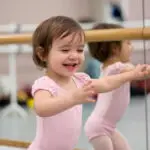
Early classes introduce basic movements in a playful, safe setting where children can explore and move freely. These classes are designed to make physical activity fun and engaging, helping your child develop coordination, balance, and confidence naturally. Activities include simple tumbling, climbing, jumping, and stretching exercises that build body awareness while keeping children entertained. Small class sizes allow coaches to give personal attention, encouraging each child to try new skills at their own pace.
Repetition of basic movements strengthens muscles, improves flexibility, and helps children gain control over their bodies. Social interaction is another important benefit. Children learn to follow instructions, take turns, and celebrate each other’s successes. By creating a positive and supportive environment, early classes not only teach foundational gymnastics skills but also inspire a lifelong love for movement and physical activity. These first steps give your child confidence to progress toward more advanced skills.
Learn the Fundamentals
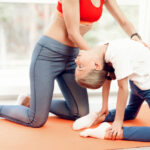
Before moving to advanced skills, your child needs a strong foundation that supports safe and effective learning. Building this foundation starts with mastering core techniques such as proper hand placement, body alignment, and basic movement patterns. Stretching routines are introduced gradually to improve flexibility and prevent injuries while teaching your child how to move their body efficiently. Body awareness exercises help children understand how their limbs and muscles work together, which is key for executing complex skills later.
Coaches guide each child step by step, correcting form and reinforcing good habits early. Repetition of these fundamentals builds strength, balance, and coordination while boosting confidence in their abilities. By focusing on the basics, your child develops a solid skill set that makes learning advanced techniques easier, safer, and more enjoyable. This careful progression confirms that every gymnast can grow steadily while developing discipline and a love for the sport.
Build Strength and Flexibility
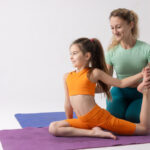
Strength and flexibility support every gymnast and form the foundation for safe and effective skill development. Activities like climbing, jumping, and stretching are introduced in a fun and engaging way that encourages children to explore their physical abilities. These exercises strengthen muscles, improve joint stability, and enhance overall body control. Stretching routines increase flexibility, allowing your child to perform movements with greater ease and reduce strain during more advanced skills.
Developing both strength and flexibility also helps children maintain proper posture, balance, and coordination as they learn new techniques. Regular practice of these exercises not only reduces the risk of injury but also builds confidence in their movements. As your child becomes stronger and more flexible, they gain the ability to tackle more complex skills with precision and control. This steady progression helps them enjoy gymnastics while feeling capable and prepared for every challenge.
Move to Recreational Classes
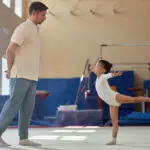
Recreational classes allow children to refine their skills while having fun in a supportive and engaging environment. These classes give young gymnasts the opportunity to practice what they have learned in earlier sessions and gradually take on more challenging movements. Group lessons encourage teamwork, helping children develop social skills as they interact with peers, share tips, and celebrate each other’s successes. Friendly competition within the class motivates children to try new skills and push their limits in a safe setting.
Coaches guide students through activities that combine learning with play, making every session enjoyable and rewarding. Children also gain confidence as they see their abilities improve and receive positive reinforcement from instructors and classmates. Recreational classes help establish a sense of community, teaching children the value of cooperation, respect, and encouragement while keeping gymnastics exciting. This balance of skill development and enjoyment lays the groundwork for future success, if your child continues in recreational classes or moves toward competitive programs.
Receive Personalized Coaching
Small class sizes allow coaches to focus on each child’s growth and offer a more attentive learning experience. With fewer students in the gym, instructors can observe each child closely, identify their strengths, and address areas that need improvement. This personalized attention helps your child build confidence as they learn new skills without feeling pressured or overwhelmed. Coaches can adjust exercises to match each child’s pace and abilities, ensuring that progress feels achievable and encouraging.
Children receive guidance on proper techniques, safe movements, and effective practice habits. They also benefit from direct feedback and positive reinforcement, which motivates them to keep trying and enjoy the learning process. This individualized approach fosters not only skill development but also resilience, focus, and a sense of accomplishment that stays with them beyond gymnastics classes.
Explore Competitive Pathways
For children with dedication, competition programs offer advanced training designed to develop strength, technique, and consistency. These programs give young gymnasts the chance to experience real meets, building confidence and helping them understand how to perform under pressure. Expert coaching guides each child through complex routines while focusing on precision, form, and skill mastery. In addition to physical development, competition programs teach valuable lessons in goal-setting, perseverance, and time management.
Children learn to embrace challenges and celebrate personal progress, which strengthens both their athletic ability and mental resilience. These programs are designed to help ambitious gymnasts grow step by step, building the foundation to reach higher levels of performance. By participating in competitions, children gain exposure, motivation, and a clear pathway to aim to become the best kid gymnast in the world while enjoying the journey.
Build Confidence and Sportsmanship
Gymnastics develops more than physical ability. Children learn to celebrate progress, handle challenges, and support teammates, which builds important life skills. They gain confidence in their abilities, develop resilience when facing setbacks, and learn respect for others through teamwork and sportsmanship. These experiences help children grow both on and off the gym floor. Children also improve focus and discipline, which benefits school and daily activities. They learn to set goals and work steadily toward achieving them. Over time, these lessons create a strong foundation for personal growth and a lifelong appreciation for fitness and teamwork.
Celebrate Milestones and Achievements
Every achievement, big or small, deserves recognition. Friendly competitions and regular assessments help your child see their progress and stay motivated. Celebrating milestones reinforces commitment and enjoyment. Lana’s Gymnastics Club offers a full range of programs for toddlers through competitive gymnasts. Our structured curriculum and expert coaching help children develop skills, confidence, and a love for gymnastics.
- Announcements (2)
- Competion Program (2)
- Competitive Gymnastics (5)
- Gymnastics For Kids (24)
- Local Queens / Flushing (5)
- Parent Education (6)
- Preschool Gymnastics (6)
- Recreational Gymnastics for Kids (5)
- Tiny tot (1)
- Toddler & Preschool (7)
- Toddler & Preschool Gymnastics (3)
- Toddlers (1)
- Updates (1)
- Vacations and Holidays (1)
Need Help?
Lorem ipsum dolor sit amet, consectetur adipiscing elit. Ut elit tellus, luctus nec ullamcorper mattis, pulvinar dapibus leo.